

Change Car Turbo BMW 3-Series GT
Change Car Turbo
| Time Estimate | 8h00–12h00 |
|---|---|
| Cost Estimate | ~800–1200$ |
| Difficulty | Very technical |
What is the role of the BMW 3-Series GT turbo?
The turbocharger increases engine power by compressing the intake air, allowing more air (and therefore more fuel) into the combustion chambers. It is driven by exhaust gases spinning a turbine at speeds up to 250,000 rpm. The compressed intake air passes through an intercooler to reduce its temperature before entering the engine.
What are the symptoms of a failing BMW 3-Series GT turbo?
Common symptoms include: loss of engine power or boost, excessive exhaust smoke (blue/white for oil burning, black for over-fuelling), whining or whistling noise from the turbo area, engine warning light or turbo fault codes, oil leaks at the turbo housing, increased oil consumption.
What causes BMW 3-Series GT turbo failure?
The main causes are: oil starvation (blocked or restricted oil feed lines, low oil level, poor oil quality), foreign object ingestion, excessive exhaust temperature, worn bearings due to high mileage, and contaminated oil. Always investigate and fix the root cause before fitting a replacement turbo.
Can a BMW 3-Series GT turbo be reconditioned?
Yes, turbo reconditioning is a common and cost-effective alternative to buying new. A reputable service will disassemble, inspect, replace worn parts, rebalance, and test the unit. Expect to pay 30–60% of the new price.
Is it difficult to change a BMW 3-Series GT turbo?
Difficulty level 5/5: very technical. The turbo is connected to both the intake and exhaust systems, requiring numerous disassembly steps. Approximately 5 hours on average for a professional mechanic. Key precautions after fitting: change the engine oil and filter, prime the turbo with oil before starting, allow the turbo to cool down after hard driving by idling for 30 seconds before switching off.
Related products
-
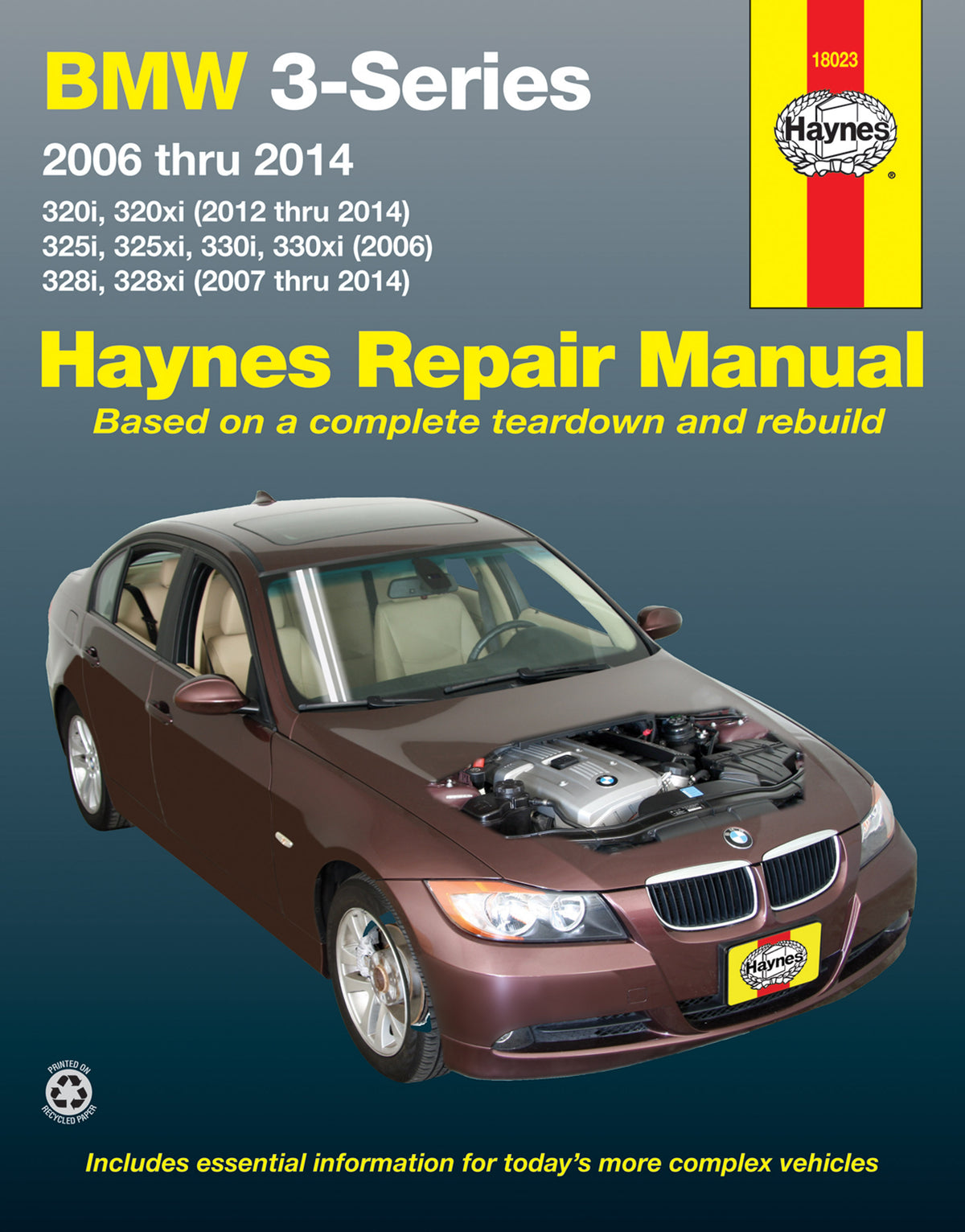

- Print & Online
- Online
-
- Make Loading
- Model Loading
- Year Loading
- Sub-Model Loading
- Engine Loading
Loading compatibility information for your vehicle
-
 Out of stock
-
- Make Loading
- Model Loading
- Year Loading
- Sub-Model Loading
- Engine Loading
Loading compatibility information for your vehicle

