Quick Summary
Black ice forms when moisture freezes on a road surface, creating a near-invisible layer that offers almost no traction. Bridges, overpasses, shaded roads, and underpasses are the highest-risk zones. When a car hits black ice, the safest response is to ease off the accelerator, avoid sudden steering or braking, and let the vehicle stabilize. Winter tires and reduced speeds are the most practical defenses against black ice before it becomes a problem.
Black ice causes a disproportionate number of winter driving accidents precisely because it is so hard to see coming. Nearly 25% of all traffic accidents each year are linked to winter conditions, and black ice is at the center of that statistic. Knowing what to look for and how to respond could be the difference between a close call and a serious accident.
What Is Black Ice on the Road?
Black ice is a thin, nearly transparent layer of ice that forms on road surfaces, making the pavement look wet rather than frozen. All it takes is a small amount of water and a cold surface. Ambient temperatures do not always need to be below freezing, as ice can form in isolated patches even when the air feels relatively mild.
Freezing rain is a common culprit. When precipitation falls through a warm layer of air and then hits a road surface that sits below freezing, it freezes on contact rather than bouncing off as sleet. The result is a sheet of ice with almost no traction and no visual warning.
Unlike snow-covered roads, which signal caution, black ice blends into the road surface. Drivers often do not realize they have hit a patch until the car is already sliding.
Understanding how to drive in snow helps build broader winter driving awareness, and many of those principles carry over to icy conditions as well.
How to Spot Black Ice on the Road
Spotting black ice before you hit it takes practice and situational awareness. A few reliable indicators can help:
- Shiny pavement ahead when the surrounding roads look dry
- Other drivers braking or swerving unexpectedly
- Temperatures are hovering around or just below freezing
- Early morning or night driving, when road surfaces lose retained heat
- Bridge surfaces, which cool faster than regular roads, and ice over earlier
Dawn and dusk are peak risk windows. As the sun drops and temperatures fall through the mid-30s Fahrenheit, road surfaces can ice over faster than the thermometer suggests. Staying alert to surface shine on an otherwise dry-looking road is one of the most practical habits a winter driver can develop.
Where Does Black Ice Form Most Often
Black ice does not form randomly. Certain road environments create the right combination of moisture and cold surface temperature far more often than others:
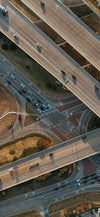
- Bridges and overpasses freeze before surrounding roads because they lose heat from both above and below, with no ground insulation underneath
- Shaded roads lined with trees or tall buildings hold cold longer and receive less sun to melt surface ice
- Underpasses and low-lying areas collect moisture and sit out of direct sunlight
- Intersections where vehicles stop frequently can develop ice patches from water dripping off cars
- Untreated rural roads that do not receive regular gritting or salt treatment
Those “Bridge Freezes Before Road” signs highlight a real hazard. A road that feels completely manageable can transition to a sheet of ice the moment you reach an overpass.
What to Do When You Hit Black Ice
The instinct to brake hard or steer sharply is understandable but counterproductive. On a sheet of black ice, the car has so little traction that steering, braking, and accelerating inputs often make the situation worse rather than better.
The practical approach:
- Take your foot off the accelerator gently; do not brake hard
- Keep the steering wheel straight and avoid sudden corrections
- Let the car travel in its current direction until the tires reach pavement again
- If you start to skid mid-corner, steer gently in the direction of the skid to help the front wheels regain grip
Rolling wheels give you significantly more control than locked, sliding ones. The goal is to stay calm, make no sudden inputs, and wait for traction to return.
How to Avoid Black Ice While Driving
Preparation before you leave home makes a meaningful difference in winter driving safety:
- Reduce your speed whenever temperatures drop below 40°F
- Increase following distance; stopping distances on ice are far longer than on dry roads
- Fit winter tires, which use a softer compound and deeper tread designed specifically for cold and icy surfaces
- Avoid cruise control in cold conditions, as it can delay your ability to respond to a sudden loss of traction
- Pay extra attention to bridges, overpasses, and shaded stretches of road
- Pack tire chains if you drive in mountain areas during winter
Winter tires alone can dramatically reduce stopping distances on ice compared to all-season alternatives. Fitting a set before the cold season arrives is one of the most practical steps any driver can take.
Finding the right guidance for your specific vehicle is easier with the right manual. Browse our full range of car manuals to find the one that covers your make and model.
Have questions about winter driving preparation or finding the right manual for your vehicle? Talk to our team today.
FAQs
What is the cause of black ice?
Black ice forms when a small amount of moisture (rain, dew, or melting snow) contacts a road surface that sits at or below freezing. Freezing rain is a particularly common cause, as liquid drops hit the ground and freeze on contact before they can drain away.
What's the difference between black ice and regular ice?
Regular ice is typically visible, often appearing white or opaque on the road surface. Black ice is nearly transparent, making the road look wet rather than frozen. Its invisibility is what makes it significantly more dangerous than ice, which drivers can actually see and prepare for.
Where is black ice likely to occur on the road?
Bridges and overpasses are the highest-risk locations because they lose heat from all sides. Shaded roads, underpasses, low-lying areas, and untreated rural roads also accumulate black ice more readily than open, sun-exposed stretches.
What is the risk of black ice?
Black ice drastically reduces tire grip, making steering and braking far less effective. Because drivers rarely see it in time to react, vehicles can slide or spin before any corrective action is possible.